
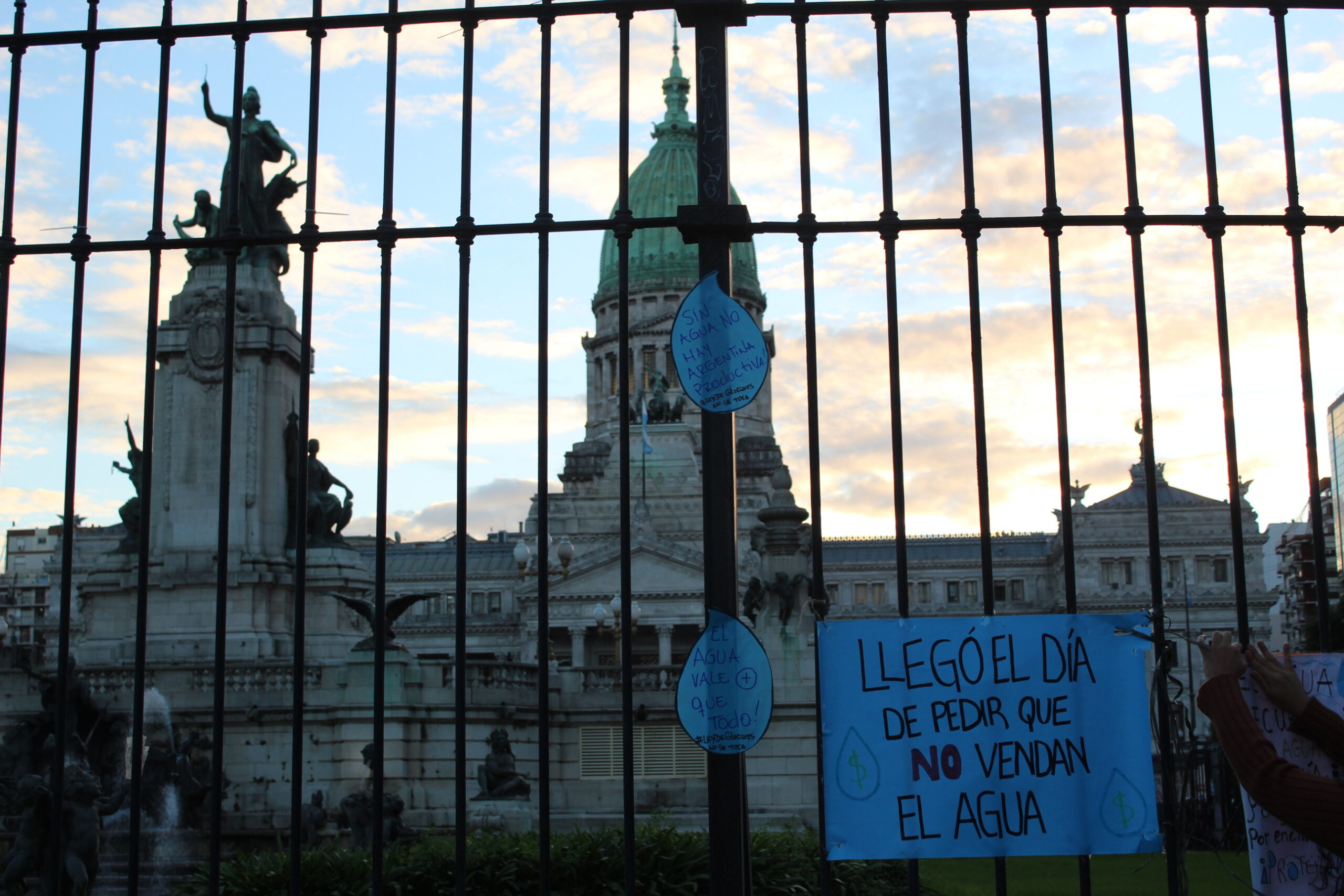
Transfers from the National Treasury Contributions (ATN) fund made in March, along with revenue-sharing advances announced on April 1, coincided with key stages of the congressional debate on the reform of the Glacier Law in the Chamber of Deputies. These developments were relevant both for reaching the quorum required to open the session and for the outcome of the vote. The total amount involved reached ARS 47 billion in ATN transfers and up to ARS 4.8 billion in discretionary revenue-sharing advances allocated by the national government.
In the Chamber of Deputies, the reform of the Glacier Law was approved with 137 votes in favor. Half of those votes (69 out of 137) were cast by representatives from provinces that received transfers in March and April: Entre Ríos, Neuquén, Jujuy, San Juan, Corrientes, Chaco, Mendoza, Salta, Catamarca, Chubut, Misiones, La Rioja, Río Negro, Santa Cruz, Tucumán, and Tierra del Fuego.
These votes included support from members of the ruling coalition, as well as from legislators affiliated with parties that are not formally aligned with either the government or the main opposition blocs.
A closer look at voting patterns among these legislators provides additional context. Thirty representatives from provinces that received transfers were not aligned with either the ruling coalition or the opposition, placing them in a position where their participation in quorum and voting behavior could vary independently of party discipline.
On the afternoon of April 8, 22 of these representatives contributed to reaching the quorum required to begin debate on the reform. In the early hours of April 9, 27 voted in favor. In total, 73.3% of these representatives were present to establish quorum, and 90% supported the reform.
Among representatives in comparable positions from provinces that did not receive transfers, participation and voting patterns differed. Of the 39 legislators not aligned with the main political blocs, 33.3% (13 out of 39) contributed to quorum, and 38.5% (15 out of 39) voted in favor of the reform.
These figures indicate a correlation between the allocation of discretionary transfers and legislative behavior during the debate. Without the participation of the 22 representatives from provinces that received transfers, the Chamber would not have reached the quorum required to open the session (129 members). Similarly, without the 27 votes in favor from these provinces, the reform would not have achieved the simple majority required for approval.