
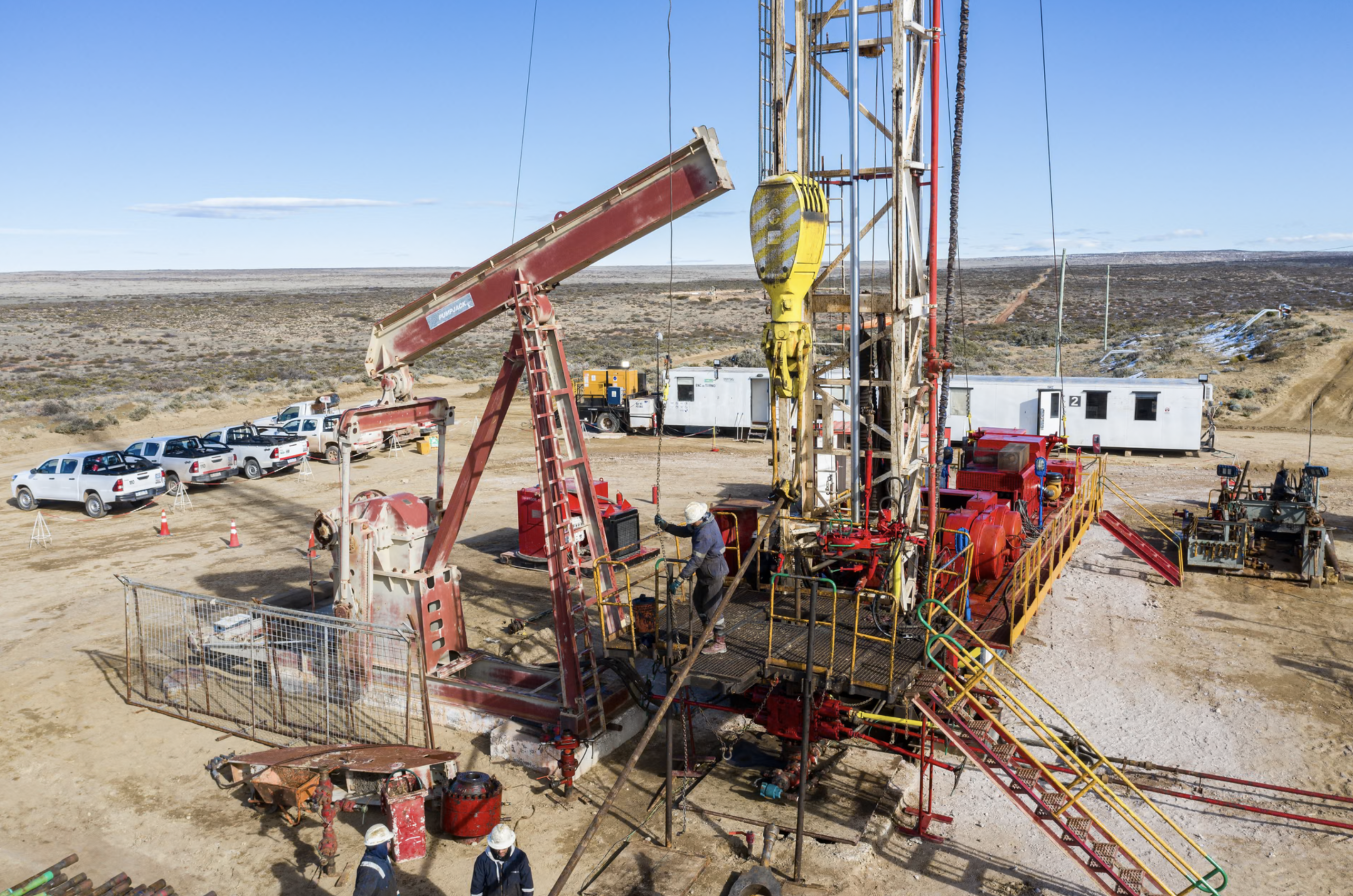
The new bill, returning to the lower house for a final vote, called the RIGI Law, is designed to create billions of dollars in the oil and gas industry, at the expense of the climate. It focuses on making Vaca Muerta, one of the world’s most substantial fossil gas deposits, more attractive to foreign investors in order to regulate Argentina’s economic crisis. If enacted, there could be an energy trade balance of $20 Billion by 2030.
This controversial bill makes grand promises about economic gains without taking into account environmental impact. FARN completed a study predicting the atmospheric pollution from an increase in greenhouse gas emissions from Vaca Muerta, finding that by 2030, the area could account for 57% to 67% of national emissions.
Due to the hydraulic fracking processes that would be used to extract the oil in this area, the severe water use and methane pollution could lead to water crises and contamination. Injecting fracking fluids also leads to the risk of induced seismic activity, such as earthquakes. While Vaca Muerta supporters argue that exploitation occurs far from towns and villages, the coordinator of the Observatorio Petrolero Sur, Fernando Cabrera, disagrees. “There are wells 5km from the city of Neuquén; you can smell the smoke,” he said.