
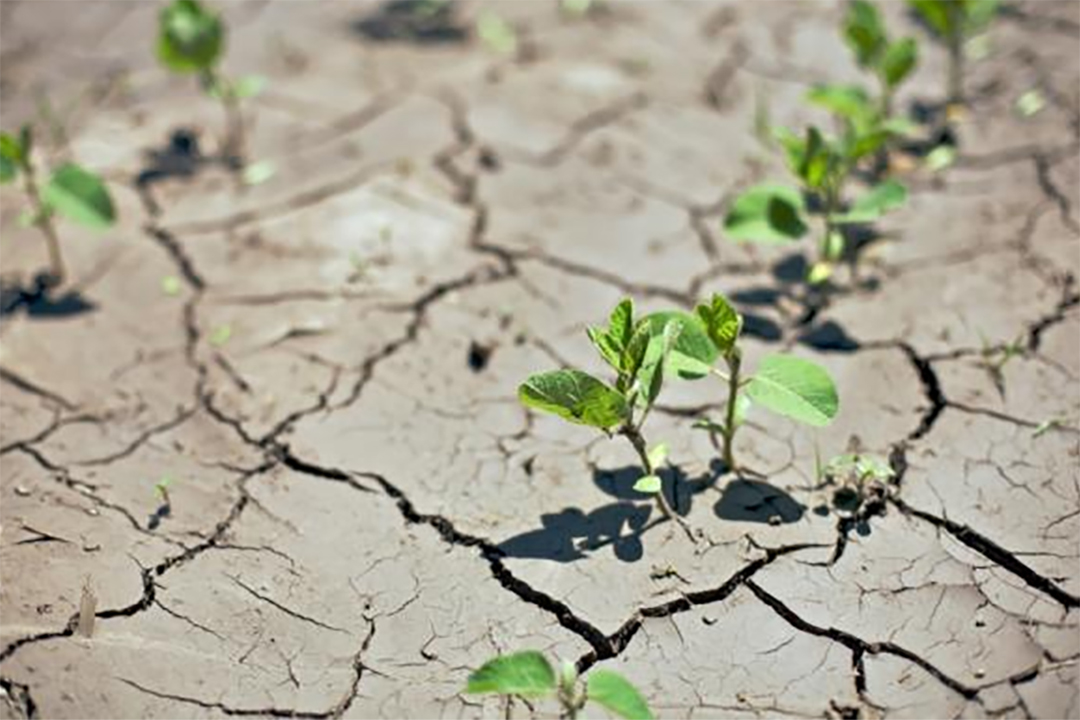
Indigenous Peoples and local communities must be at the centre of global efforts to prevent and reverse land degradation. Their knowledge, tenure rights and governance systems are essential for effective, just and lasting solutions.
At the twenty-third session of the Committee for the Review of the Implementation of the Convention to Combat Desertification (UNCCD CRIC23) in Panama City, FARN’s Deputy Director, Ana Di Pangracio, will participate as an accredited CSO Observer advocating for human rights, gender equality and ecosystem restoration to be fully integrated into land management.
Coherence across land, biodiversity and climate agendas is critical to address environmental challenges in a comprehensive and equitable way, along with transparent monitoring systems and equitable access to finance which are key in enabling Indigenous Peoples and local communities to lead on-the-ground action.
Through the GEF-funded project “Strengthening Civil Society Role in Achieving Land Degradation Neutrality”, FARN contributes its long-standing experience as both a member of Drynet and an active participant in UNCCD processes. As part of this initiative, FARN serves as a mentor, supporting civil society organizations in building the capacities and confidence needed for effective advocacy and communication that advance more inclusive and impactful land policies and programmes.
Join us at our events:
Women Negotiators Training for UNCCD
With support of the European Union
29 November
Panama Convention Center
Side Event: Effective and Inclusive Civil Society Engagement for LDN — Solutions, Challenges and Successful Cases in the Five Regions
Organized by the UNCCD CSO Panel
2 December, 13:15–14:45
Panama Convention Center, Room Caribe 5