By Casey Wetherbee
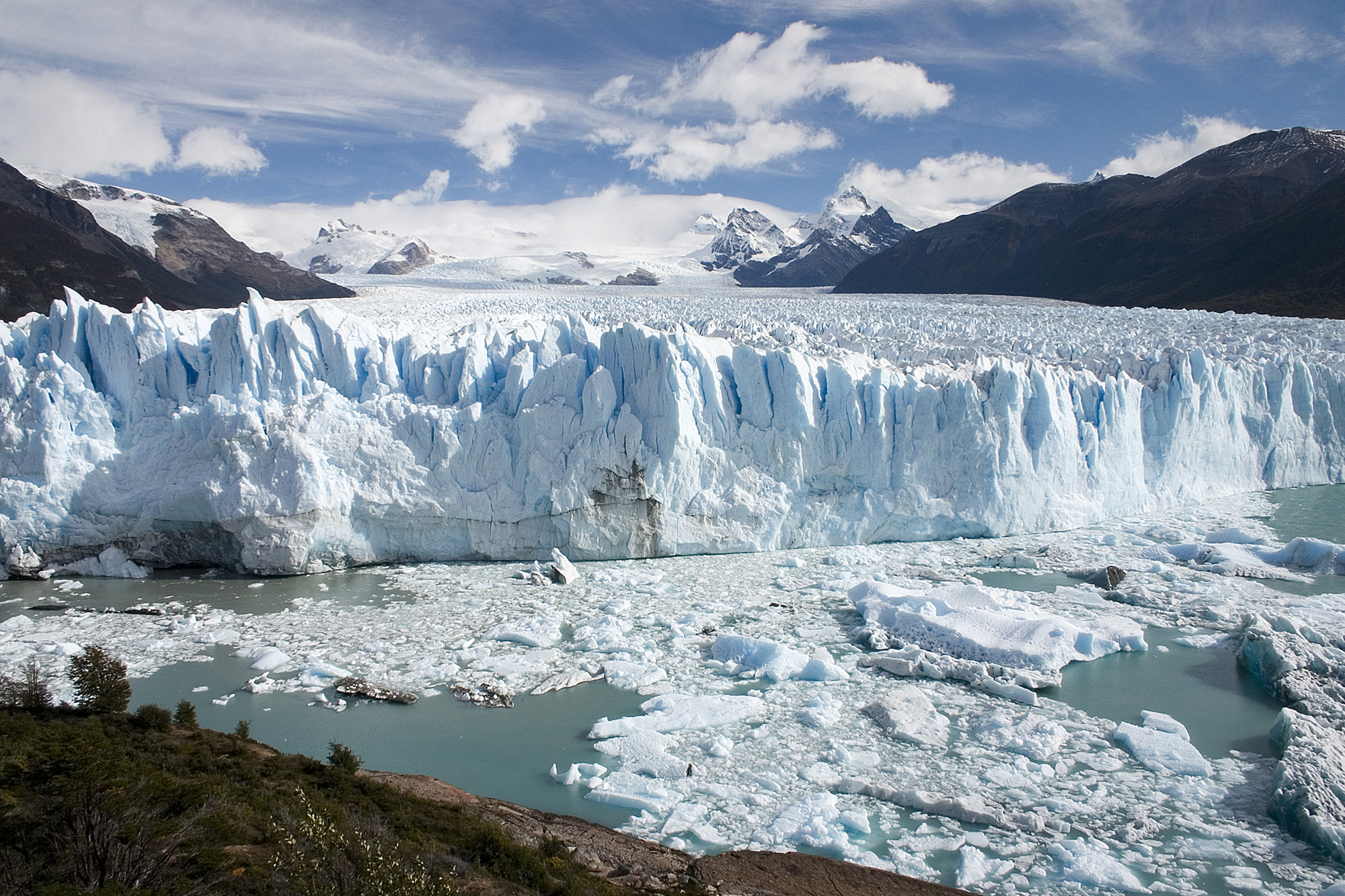
Each year, hundreds of thousands of tourists visit Argentina’s Perito Moreno glacier, one of dozens of massive ice formations found in Patagonia’s Los Glaciares National Park. Beyond their beauty, glaciers also hold over half of the Earth’s freshwater globally — and in Argentina, they are an essential water resource for millions.
Yet, environmental watchdogs and journalists have warned that the government is planning to pass a decree modifying the Glacier Law (Law 26.639) to reduce the area of glacial territory protected from mining, oil exploration, and other extractive activity.
They warn the plans would permit such activities in the areas immediately around glaciers. Experts warn that such activity would irreversibly harm glaciers and periglacial zones, while also consuming large volumes of water.
The Glacier Law was adopted in 2010 following sustained civil society protest against mining activity, principally the Pascua Lama project in San Juan province, led by the Canadian multinational Barrick Gold. The law sets definitions of glaciers and periglacial zones, which are the areas of frozen earth surrounding glaciers that play a key role in the water cycle. It also establishes minimum standards to prohibit certain economic activity in or near those areas.