
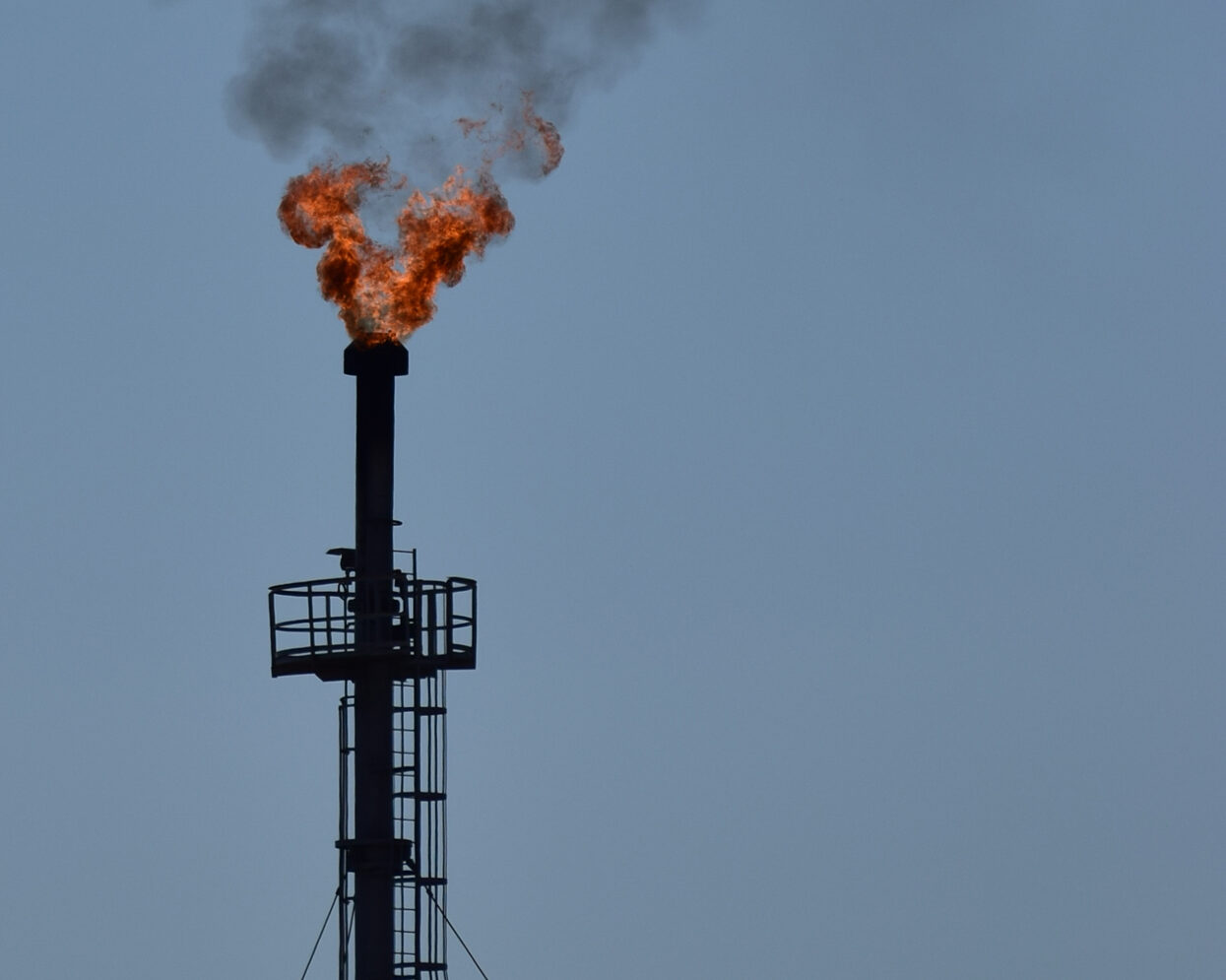
Methane is a powerful greenhouse gas—80 times more potent than carbon dioxide over a 20-year period. Where does it come from? What are its effects? How is it monitored? Though rarely discussed in Argentina, methane contributes significantly to global warming, air pollution, and respiratory diseases.
Methane is the second most significant greenhouse gas, responsible for about half of all tropospheric ozone according to the Climate and Clean Air Coalition (CCAC). This pollutant is linked to one million premature deaths annually worldwide and increases the risk of serious respiratory illnesses, including asthma, chronic bronchitis, emphysema, and irreversible lung damage.
In Argentina, over 60% of methane emissions from human activities come from agriculture, primarily livestock. The energy sector accounts for around 29%, mainly due to leaks during oil and gas extraction and transport. The remaining 7% comes from inadequate waste management and the country’s 5,000 open-air dumps.
In the latest issue of Pulso Ambiental Magazine (No. 25), experts, researchers, recycling workers, and members of social and Indigenous organizations analyze the scope and impacts of methane emissions across the country.
Methane: a global problem without a national approach
At the international level, Argentina joined the Global Methane Pledge at COP26 in Glasgow, committing to reduce emissions by 30% by 2030. Methane currently represents 32% of Argentina’s total greenhouse gas emissions. Historically, livestock has been the main source: in 1990 it accounted for 71% of the total, while in 2022 it represented about 60%. In contrast, emissions from fossil fuels increased by 91%, and those from waste by 116%.
Despite these trends, Argentina has yet to adopt sectoral targets, systematic monitoring, or specific national regulations for methane reduction. Instead, the country continues to expand a fossil fuel-based development model, inconsistent with its climate commitments.
Optical gas imaging monitoring by Earthworks, a U.S.-based environmental organization, and reports by the Mapuche Confederation of Neuquén have exposed methane leaks in Vaca Muerta, revealing the hidden role of methane emissions in areas of hydraulic fracturing. Meanwhile, the proposed expansion of liquefied natural gas (LNG) infrastructure in San Antonio Este—located within the San Matías Gulf—illustrates the drive to expand fossil fuel exports, disregarding environmental, social, and climate impacts.
Methane, human rights, and the climate emergency
The health and environmental impacts of methane emissions underscore the urgent need to link methane reduction with the protection of human rights and climate justice. This connection was highlighted during a recent hearing before the Inter-American Commission on Human Rights, which followed the Advisory Opinion of the Inter-American Court of Human Rights on climate change and human rights.
A key topic during the hearing was the waste sector’s contribution to methane emissions. According to the United Nations Environment Programme (UNEP), about 12% of global methane emissions come from municipal solid waste. Poor waste management practices increase these emissions. With thousands of open dumps across the country, Argentina ranks among the nations with the highest methane emissions from waste.
This reality also underscores the essential role of waste pickers, whose recovery and recycling work reduces methane emissions and improves local living conditions.
About Pulso Ambiental No. 25
This new issue of Pulso Ambiental Magazine focuses on the methane challenge in Argentina, its environmental, health, and human rights implications, and the need for effective public policies to reduce and mitigate emissions. Cutting methane is one of the fastest and most effective ways to slow the rate of global warming and to prevent its cascading social and ecological impacts.
However, technical fixes alone are not enough. Addressing methane requires political will and systemic transformation. Detecting and repairing leaks, capturing emissions, and expanding composting are necessary steps—but they must be part of a broader effort to transform production and consumption patterns, phase out fossil fuels, and strengthen family and community-based agriculture.
Such actions are essential to ensure a future that places the environment, the climate, human rights, and public health at its core.