Rich in lithium but poor in water, traditional Andean communities want the world to recognise the pitfalls of surging demand for minerals vital to the global energy transition.
By Pía Marchegiani and Vanina Corral
At 3,400 metres (11,150 feet) above sea level in the arid highlands of northwest Argentina, 29-year-old Franco Vedia tends his llamas and fields in the Indigenous community of Tusaquillas – one of more than 30 communities across the Salinas Grandes and Laguna de Guayatayoc Basin.
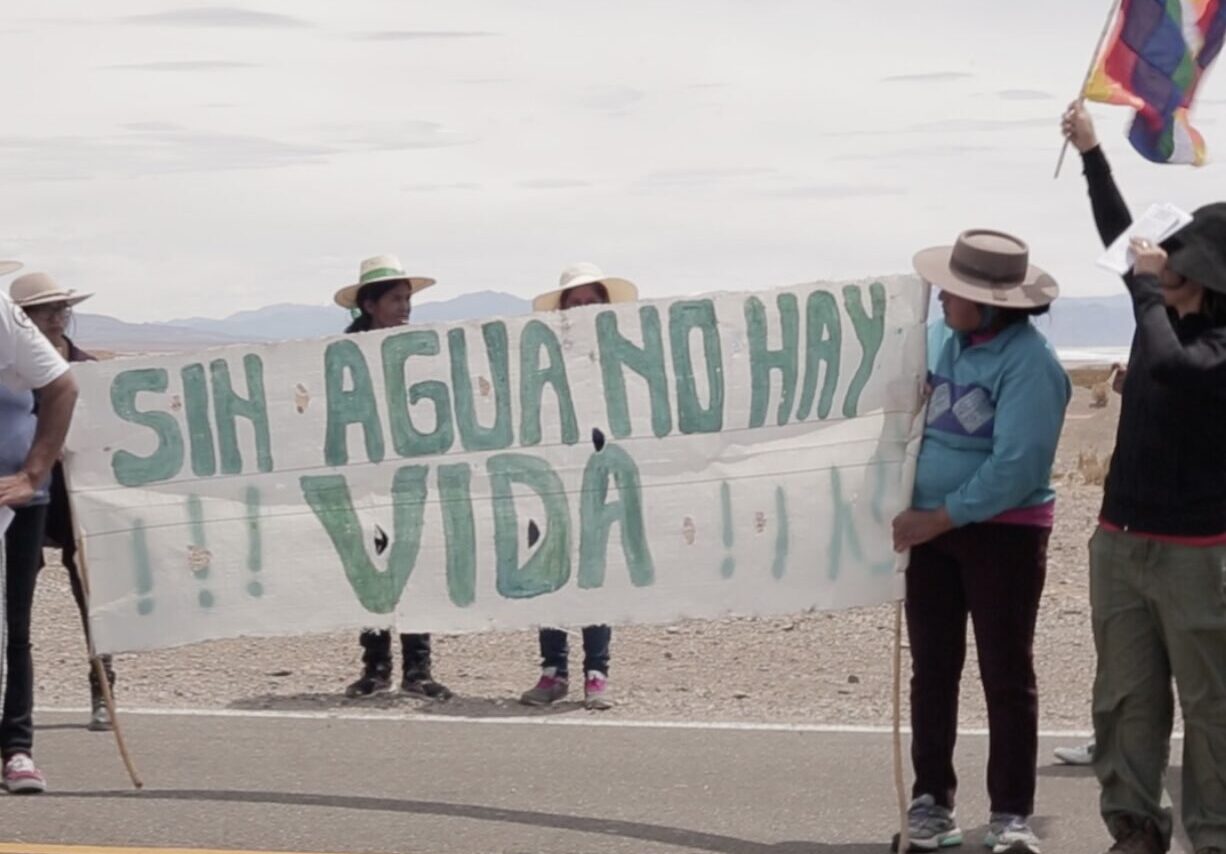
Here, life revolves around a single, sacred element: water, the source that feeds the lagoon, sustains crops and animals, and has anchored centuries of Indigenous life.
The Salinas Grandes, shared between the provinces of Jujuy and Salta, is one of the largest salt flats in South America. Beneath it lies another resource: lithium, the mineral driving the global race for batteries that power the energy transition.
“Lithium activity is water mining,” Franco said. “It consumes vast amounts of water in the Puna – a resource already scarce and extremely valuable here.”
Across Argentina’s northern provinces, environmental groups warn that lithium extraction has already dried rivers and degraded fragile Andean wetlands. The struggle of the Puna communities mirrors that of others across the Gran Atacama region – spanning Argentina, Chile and Bolivia – the so-called lithium triangle, home to more than half the world’s known reserves.
For communities like Franco’s, the balance kept for generations is breaking under a development model that promises progress at the cost of survival.