
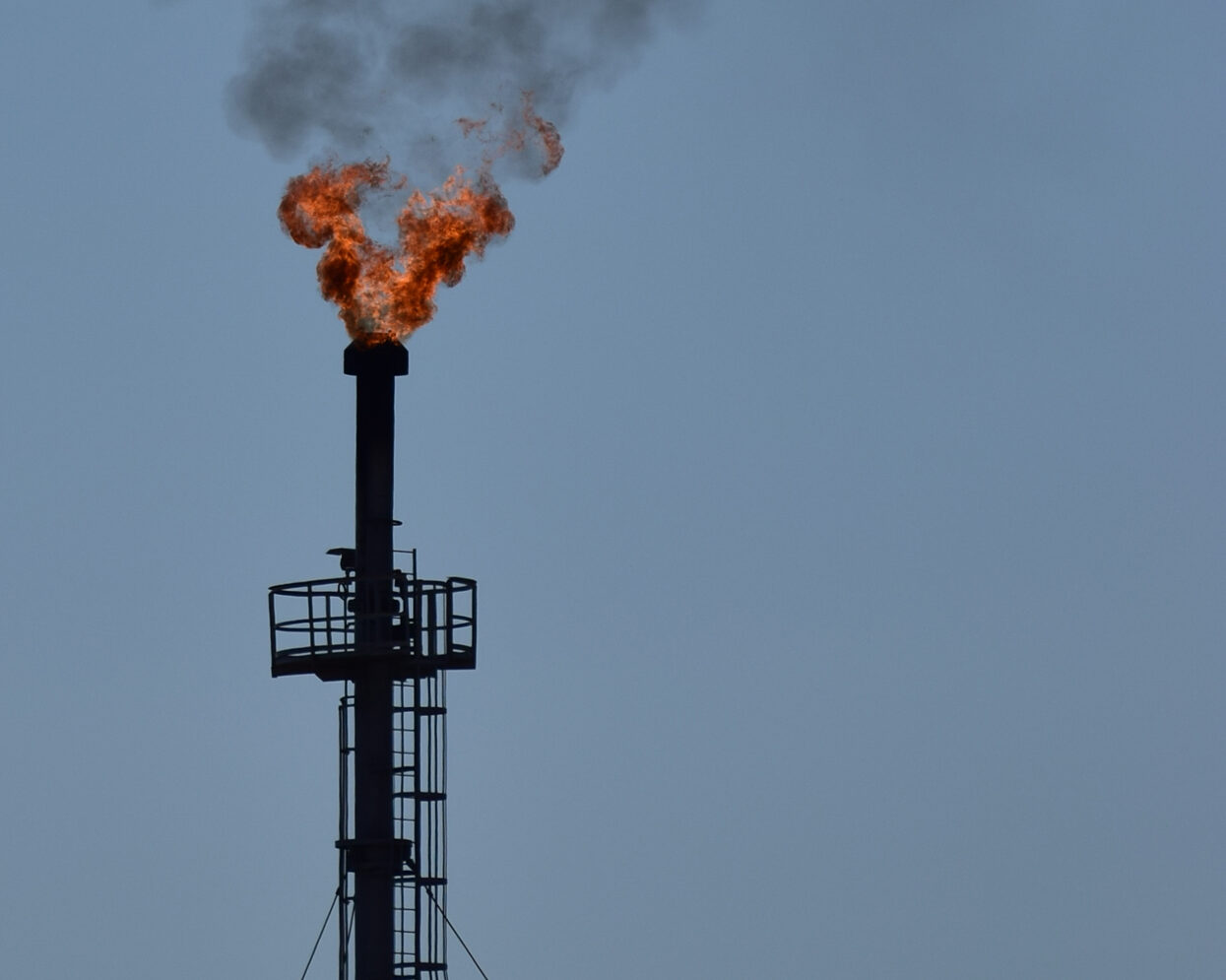
Methane is the second most significant greenhouse gas, responsible for about half of all tropospheric ozone according to the Climate and Clean Air Coalition (CCAC). This pollutant is linked to one million premature deaths annually worldwide and increases the risk of serious respiratory illnesses, including asthma, chronic bronchitis, emphysema, and irreversible lung damage.
In Argentina, over 60% of methane emissions from human activities come from agriculture, primarily livestock. The energy sector accounts for around 29%, mainly due to leaks during oil and gas extraction and transport. The remaining 7% comes from inadequate waste management and the country’s 5,000 open-air dumps.
In the latest issue of Pulso Ambiental Magazine (No. 25), experts, researchers, recycling workers, and members of social and Indigenous organizations analyze the scope and impacts of methane emissions across the country.