
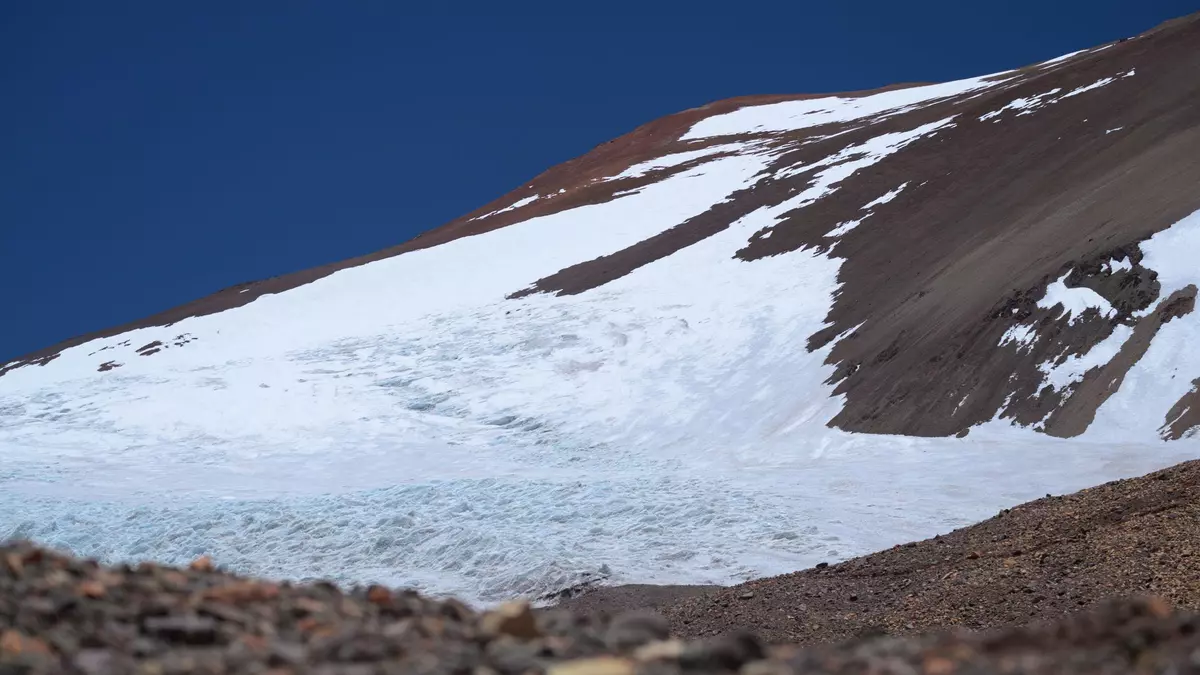
Special rapporteurs from the United Nations and members of the Working Group for Business and Human Rights expressed their concerns on the possible impacts of the Glacier Law reform, currently under review in the Argentine lower house Chamber of Deputies. Through a letter presented on February 27th, they noted ramifications such as access to clean water, information, participation, and a clean, healthy, and sustainable environment.
The reform poses a risk to water access for more than 7 million people in Argentina in order to allow mining in glacial and periglacial areas. This undermines access to drinking water, a human right recognized internationally by the United Nations General Assembly.
“In Argentina, the effectiveness of this right depends on the protection of healthy ecosystems and the sustainable management of water resources, which is directly related to the risk posed to glaciers and periglacial environments by the proposed reform in question, which would put aquatic ecosystems at risk, including groundwater, affecting water quality and therefore access to drinking water,” they stated in the letter.
Additionally, the special rapporteurs and the Working Group indicated that the reform of the Glacier Law jeopardizes the water security of populations living in areas near the Andes mountain range and compromises their economic activities.
Furthermore, the letter highlights the duty to protect biodiversity, established in the Convention on Biological Diversity, to which Argentina is a party. The shift from a regime of clear prohibitions to a case-by-case determination scheme presents limitations for incorporating a systemic, strategic, and cumulative approach to environmental decisions. The letter recognizes a lack of broad and adequate social participation in the reform debate, which fails to comply with international standards. The possibility that the new regulation will lead to increased administrative discretion at the provincial level leads to susceptibility to influence and pressure from companies and corporations.
In this regard, the United Nations requests:
- Explanations regarding the compatibility of the bill with the State’s international obligations in the areas of human rights, access to water, climate change, and environmental conservation and protection.
- Information on the measures taken by the Government to fulfill its duty to protect human rights in the face of possible violations by business activities, and explain how the reform project is consistent with that duty.
- Explanations of the measures taken to guarantee access to information and effective public participation, in accordance with international standards.
- Explanations on how the reform bill ensures compliance with the obligations assumed in the Escazú Agreement.
- Information on the status of implementation and monitoring of the National Action Plan on Business and Human Rights, and on measures taken to ensure that business participation is transparent, accountable, and in line with international human rights standards.
The letter is signed by Damilola S. Olawuyi, Chair-Rapporteur of the Working Group on the issue of human rights and transnational corporations and other business enterprises; Astrid Puentes Riaño, Special Rapporteur of the human right to a clean, healthy, and sustainable environment; Albert K. Barume, Special Rapporteur on the rights of Indigenous Peoples; and Pedro Arrojo-Agudo, Special Rapporteur on the human rights to safe drinking water and sanitation.