
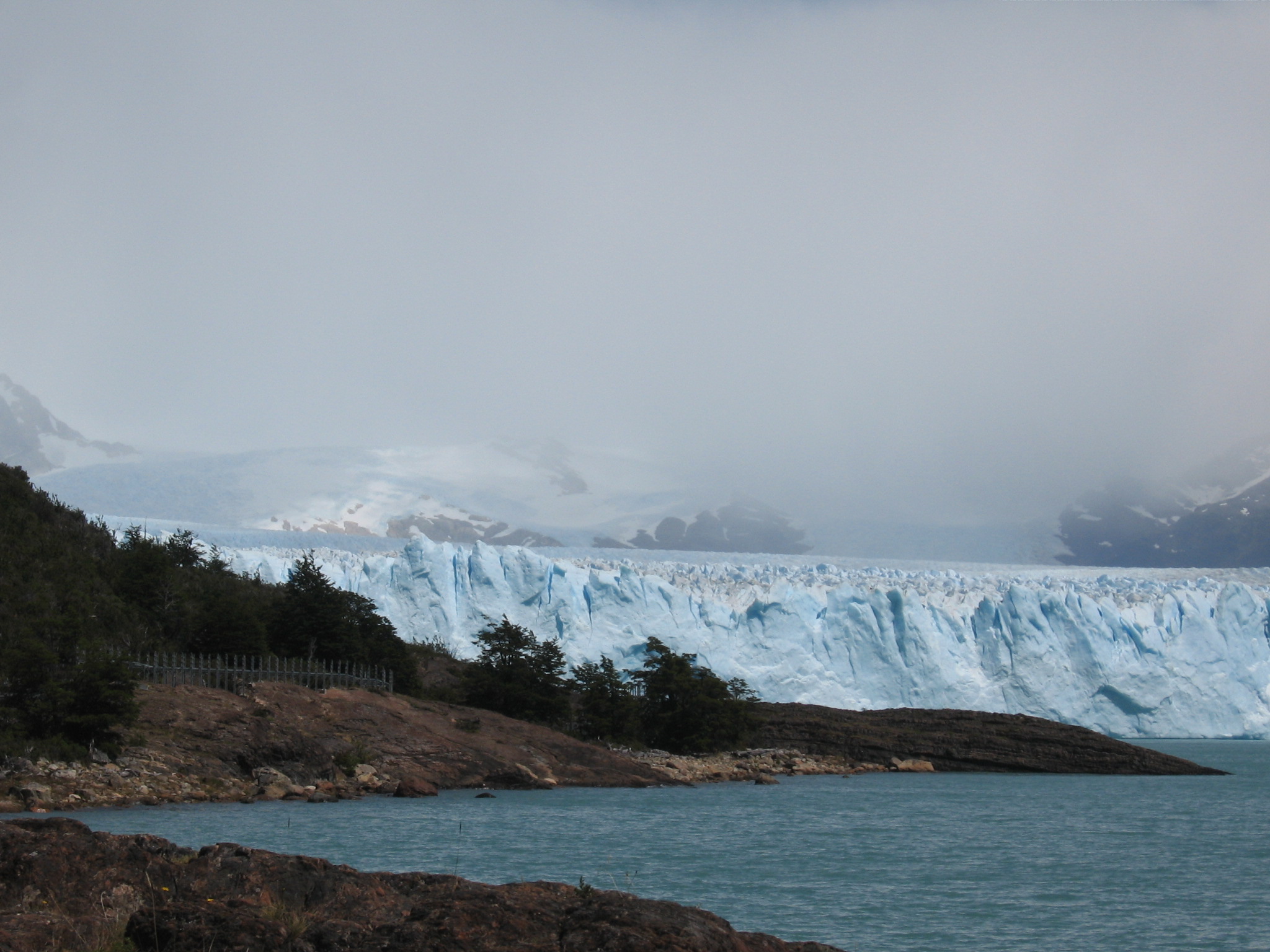
International specialists in glaciology and related sciences sent a letter to the Argentine National Chamber of Deputies to express their concerns for the Glacier Law reform project promoted by Javier Milei’s government. In a context where glaciers are retreating at an accelerated pace—recording the highest levels of loss in the past two decades and contributing to a 21% rise in sea levels— specialists are calling for the law to remain unchanged, without any amendments that would weaken its scope.
In the letter, the specialists warn that periglacial environments are one of the most critical components of the hydrological system. In this context, they note that if the reform is approved it could put access to drinking water at risk for more than 7 million people, as well as lead to the loss of water reserves, increase the vulnerability of watersheds to prolonged droughts, affect streamflow in watercourses, and reduce water resilience in regions that are already experiencing water crises.
Law No. 26,639, the Argentine Glacier Law, “Minimum Environmental Protection Standards for the Preservation of Glaciers and the Periglacial Environment,” was the first of its kind worldwide. “The Glacier Law recognizes the strategic nature of glaciers and the periglacial environment and establishes a uniform standard of environmental protection throughout the Argentine territory,” explains the letter.
The reform of this law is attempting to transfer the power to decide whether or not a glacial area is protected to the territory that the glacial resides in, instead of the Instituto Argentino de Nivología, Glaciología y Ciencias Ambientales (IANIGLA). The goal of the reform is to access more glacial areas for mining, specifically for lithium to make batteries. “This would replace a scientific methodology with decision-making based on economic and political opportunities,” the experts add.
The reform has already passed the Senate and is currently in the Chamber of Deputies. Despite the government’s intention to fast-track its approval, the process has been marked by an unprecedented public hearing, with over 100.000 registered participants, making it the largest on record and highlighting the level of public concern surrounding the debate.