
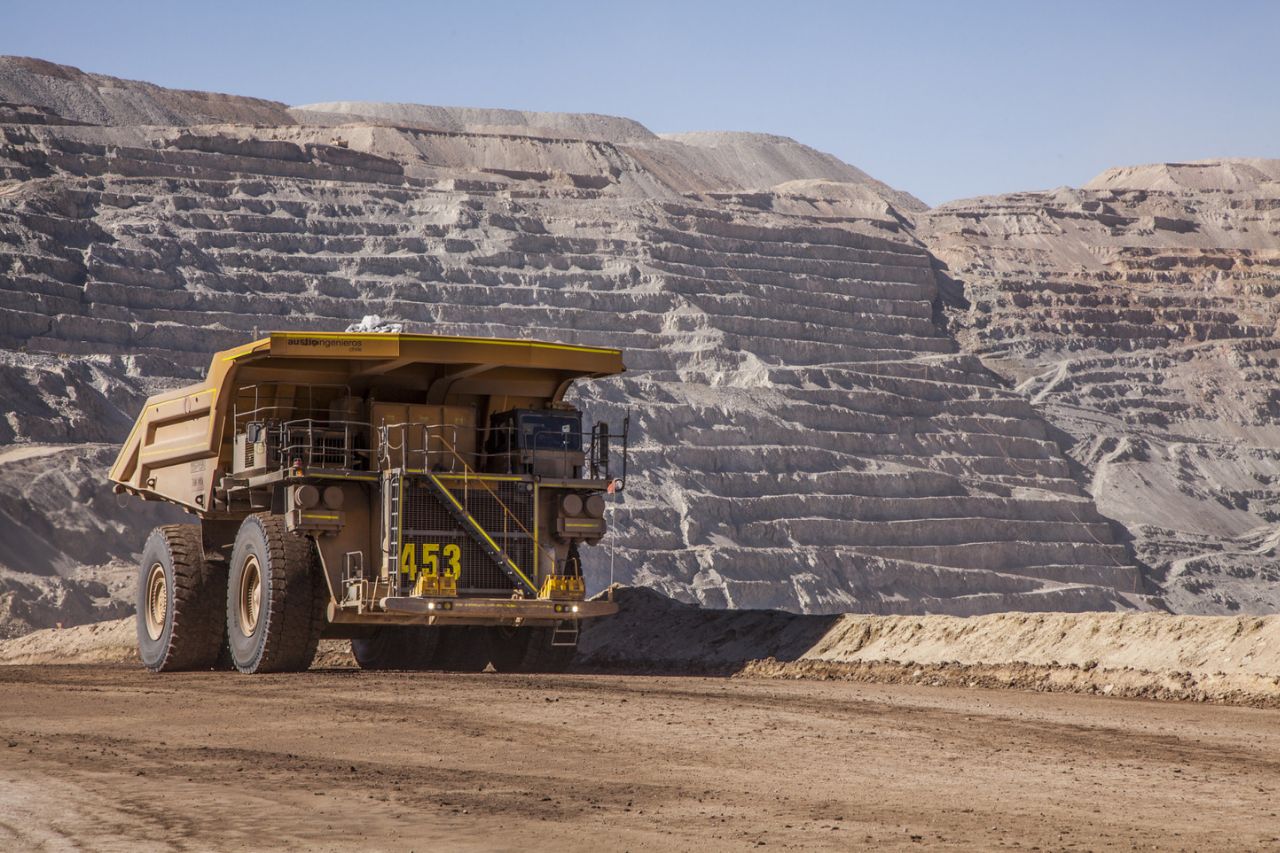
Argentina appears to be shifting away from its decades-long resistance to mining and other environmentally harmful activities, toward a model that places greater weight on urgently needed economic growth and development.
In December, President Javier Milei introduced a bill to modify the glacier law, loosening restrictions on mining near protected ice fields. That same month, Mendoza’s provincial Congress approved what would become the province’s first copper mining project in two decades, a move environmental activists warn could contaminate water sources in the Uspallata area. Tierra del Fuego has also passed legislation allowing salmon farming, reversing a 2021 ban enacted after environmental groups warned that fish waste, antibiotics, and other chemicals used in aquaculture could damage fragile ecosystems. The introduction of a non-native species into Argentina’s southernmost waters could also threaten local biodiversity.
The debate is polarized: critics argue these policies increase the risk of environmental damage and water pollution, while supporters say mining and resource extraction are essential for a country rich in mineral reserves.
“The new Argentina will grow thanks to the three pillars of the economy: farming, energy, and mining,” said Milei recently, backing the copper mining project in Mendoza.
Cristian Fernández, a lawyer at FARN, says legislative efforts enabling mining and other extractive activities have increased since 2022. He argues the sector is gaining visibility largely due to government promotion, and that officials are framing economic progress and environmental protection as mutually exclusive, a “false dilemma” that is deepening public division.
“In Argentina, we are used to governments creating ruptures so that society becomes polarized. The president has a strategy of insulting those who think differently from him,” said Fernández.
However, the proposed glacier law changes have helped unify environmental groups in opposition. “The movement will stick together, and it won’t be so easy for the government to pass this reform. And, if it is approved, we will take it to court,” Fernández said.