
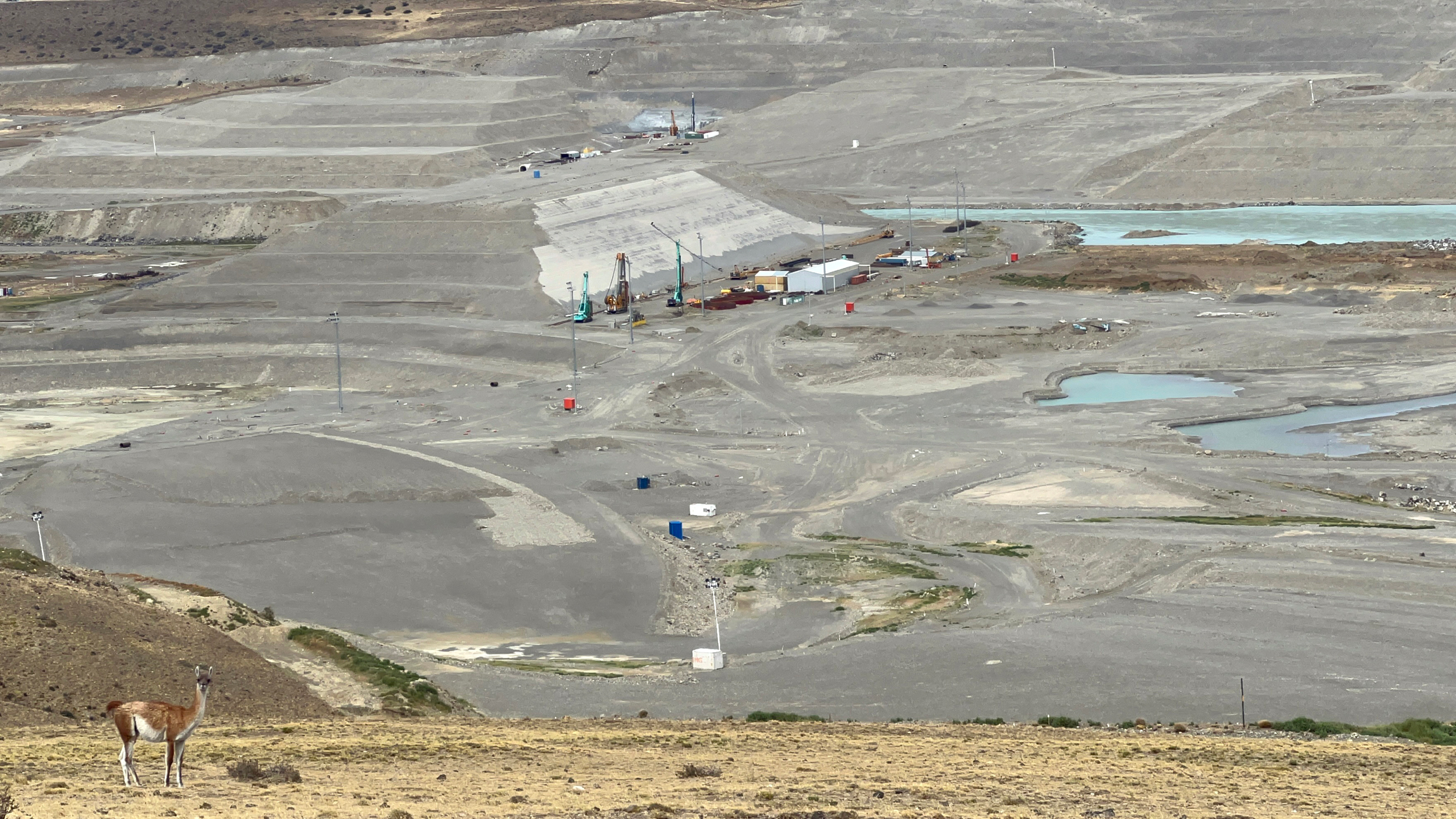
The Santa Cruz dams are part of China’s massive $1.3 trillion overseas investment initiative, the “Belt and Road Initiative.” The program has funded and built ports, smart cities, railways, power plants and other infrastructure in countries around the world, securing lucrative contracts for Chinese firms while deepening Beijing’s sway across the Global South. For countries in Latin America, Asia and Africa, the Belt and Road has unlocked funding for energy and infrastructure projects once out of their reach through traditional development assistance.
The arrangement with Argentina was typical for China’s early forays into development finance—where speed often outweighed due diligence, researchers say. For Beijing, there was more than one reason to get money out the door as quickly as possible: China was sitting on a glut of foreign reserves, had a slowing economy at home and had hydroelectric companies looking for work. The billions lent to Argentina for construction would largely go to one of those companies, a win-win for Beijing.
But the dams also represent an emerging risk in the new phase of the Belt and Road Initiative: infrastructure projects branded as green and positioned as climate solutions but that may ultimately cause more harm than good.
A coalition of nonprofits filed a lawsuit in 2015, questioning the Santa Cruz dams’ environmental impact assessment. That environmental impact statement, which is supposed to analyze all of the ecological risks of the dams, is “full of deficiencies,” said Cristian Fernandez, a lawyer with the Environment and Natural Resources Foundation, one of the nonprofits behind the 2015 lawsuit.
It overlooked the dams’ impact on endangered birds and other threatened species. It also failed to examine whether the dams’ reservoirs could raise water levels in Lake Argentino. That would expose more of the glaciers in the Southern Patagonian Ice Field to water, accelerating their melt rates. Those glaciers provide the region with fresh water and supply nutrients to delicate ecosystems, and their loss will ripple globally, contributing to sea level rise and shifts in climate patterns.