
Por Martina Jaureguy
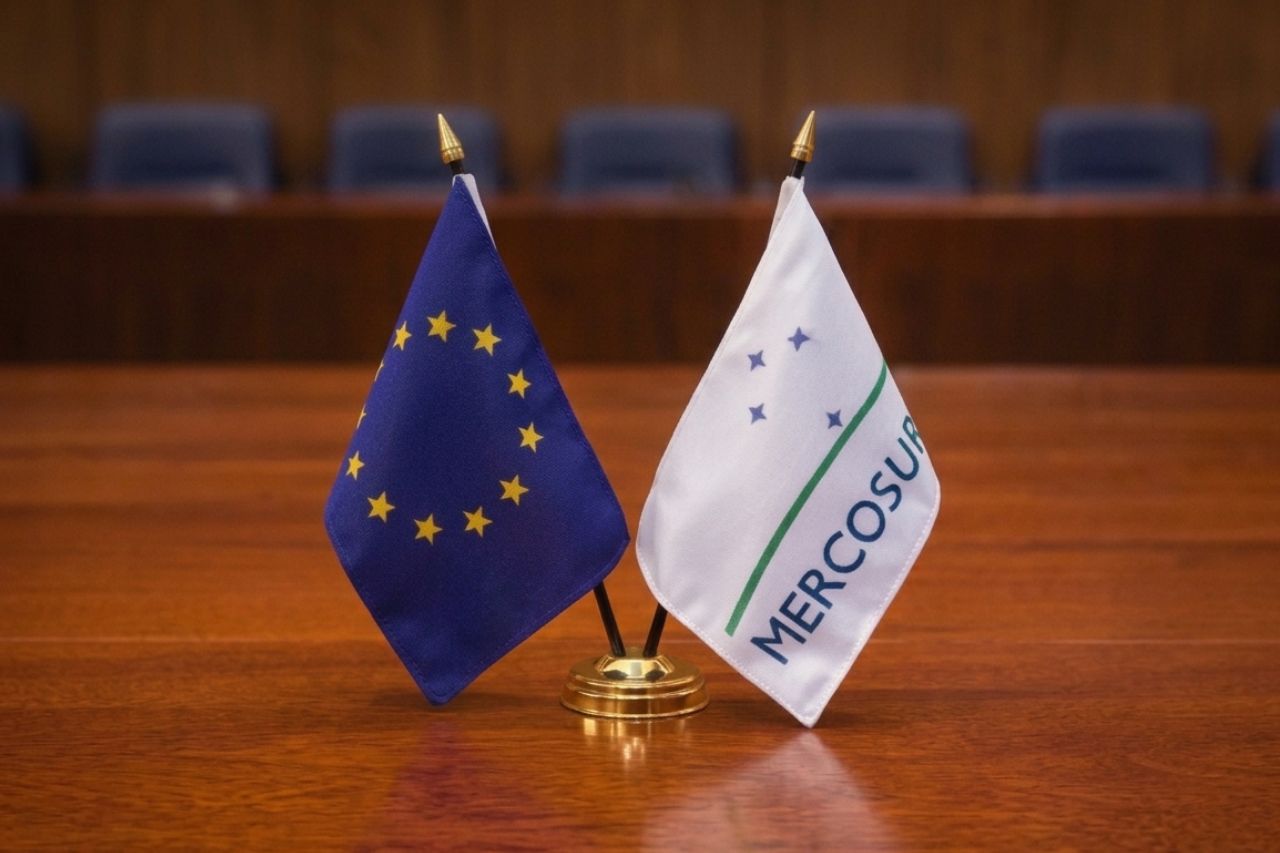
May 1 marked a turning point for the history of South America: a part of the trade agreement between regional bloc Mercosur and the European Union (EU), which had been in talks for over two decades, finally became operational.
The deal is a key step to boost Mercosur exports, allowing Argentina, Brazil, Uruguay, and Paraguay to enter or increase their presence in European markets, especially regarding agricultural products.
In turn, it will allow those countries to receive industrial machinery, cars, pharmaceuticals, and other manufactured products from Europe. The deal created the largest free-trade area in the world, representing around 20% of the global GDP. While it’s a huge opportunity for the South American region, it doesn’t come without challenges or hurdles.